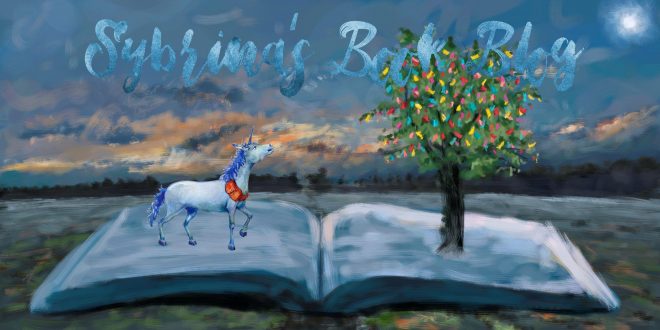

The little blue unicorn who transforms into Osm, the metal-horned unicorn in “Journey to Osm,” occupies a unique and intriguing space within the realm of unicorns in fantasy literature. This character stands out for several reasons:
- Transformation and Empowerment: Unlike many unicorns who maintain a consistent image of purity, grace, and a singular identity, Osm’s transformation represents growth, resilience, and the potential for change. This journey from an ordinary blue unicorn to a powerful, metal-horned being parallels the classic hero’s journey found in many fantasy stories, emphasizing themes of self-discovery and inner strength.
- Symbolism of Colors and Elements: The blue hue of the unicorn initially invokes feelings of calmness, creativity, and serenity, while the eventual metallic transformation suggests strength, durability, and perhaps a sense of otherworldliness. This multifaceted symbolism adds depth to Osm’s character, allowing readers to engage with broader themes of color and elemental representation found in other works.
- Contrast with Traditional Unicorns: In many classic fantasy tales, unicorns are often depicted as ethereal beings embodying purity and innocence, such as in works like “The Last Unicorn” by Peter S. Beagle. Osm, with its metal horn, diverges from this archetype, introducing a more complex notion of what a unicorn can be. This aspect mirrors the development of contemporary fantasy, where characters evolve beyond traditional tropes.
- Integration with Fantasy Lore: Osm embodies a blend of familiar and unique traits that resonate with other unicorns in literature. For example, the concept of a unicorn possessing magical abilities or serving as a symbol of hope can be related to creatures like Luna Lovegood’s patronus from the “Harry Potter” series, while also fitting within a larger tradition of magical beings that challenge and redefine expectations.
- Thematic Exploration: The journey to Osm can be interpreted as a commentary on identity and transformation in the face of adversity, a theme prevalent in many fantasy narratives. This exploration provides a bridge to other characters who undergo significant changes, much like how characters in “The Chronicles of Narnia” or Tolkien’s works face trials that lead to profound personal evolution.
Osm represents a fresh and dynamic evolution of the unicorn archetype. By blending traditional elements with innovative character development, “Journey to Osm” offers a compelling contribution to the world of fantasy literature and enriches the broader conversation about what unicorns – and fantasy creatures more generally – can symbolize.
Read the book today.